




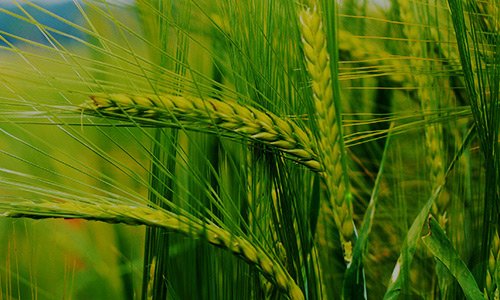
Sesame cultivation to the wheat structure
An agricultural doctor said: Sesame is a valuable plant for cultivation.
Hossein Pourhadian, in an interview with the ISNA correspondent, said: “Sesame is a valuable herb for cultivation and use as oil and medicine.”
He continued: estimating its net water needs under the climatic conditions of each region, especially in arid and semi-arid regions help enhance the cultivation.
Pourhadian noted: Sesame seeds are derived from the cultivation of a plant species called Sesame Indicum, which is a dense family.
“This plant is native to Iran and after wheat is considered by farmers in arid and semi-arid areas,” said the faculty member of the Lorestan Payame Noor University.
He added: “In recent years, good things have been done to promote the cultivation of sesame and its cultivars.
Pourhadian added that for reasons such as low yield and susceptibility to diseases, planting of sesame has been underestimated.
The materials stored in wheat form water-soluble carbohydrates
An agricultural doctor said the materials stored in wheat were water-soluble carbohydrates.
Dr. Dawood Eradatmand, in an interview with the ISNA correspondent, stated that environmental tensions are the most important factors that reduce the productivity of crops throughout the world, and therefore the genetic potential of crop yields cannot be realized.
He continued: Identification of traits related to drought tolerance and their relationship with grain yield is essential.
He added: In fact, traits that prevent or reduce the damage caused by drought stress to the plant should be identified and the role and effect of each of them on the degree of tolerance to drought stress should be evaluated.
The Ph.D. in Agriculture noted that improved grain filling capacity using stem reserves is one of the most important wheat-free objectives under environmental stresses such as dryness and heat.
He noted that in many crops, including wheat, stored materials are mainly non-structural carbohydrates or soluble carbohydrates in water.
“The material stored in the stem is in the form of water-soluble carbohydrates and forms about 25 to 40 percent of the total dry weight of the stem.”

